As
digital technology transforms construction, Light Steel Frame Association
(LSFA) members are driving a safer, faster and more sustainable future. Chair,
Ben Towe reveals how specialists are harnessing advanced design and industrialised
manufacturing to help set new standards in precision-built structures.
Light
steel frame construction represents the pinnacle of industrialised construction
techniques. Unlike traditional construction approaches and other less
mechanised offsite construction methods, light steel frame benefits from a
fully integrated, digitally driven workflow that spans design, engineering,
manufacturing, and installation.
Digitally
powered, seamlessly integrated
Every component is
engineered with exacting tolerances, ensuring a perfect fit on-site and
reducing waste. By linking every stage through a single digital thread, light steel
framing systems achieve a level of repeatability and accuracy that is unmatched
in conventional building methods.
Design
efficiency is another defining feature of light steel frame. Our sector
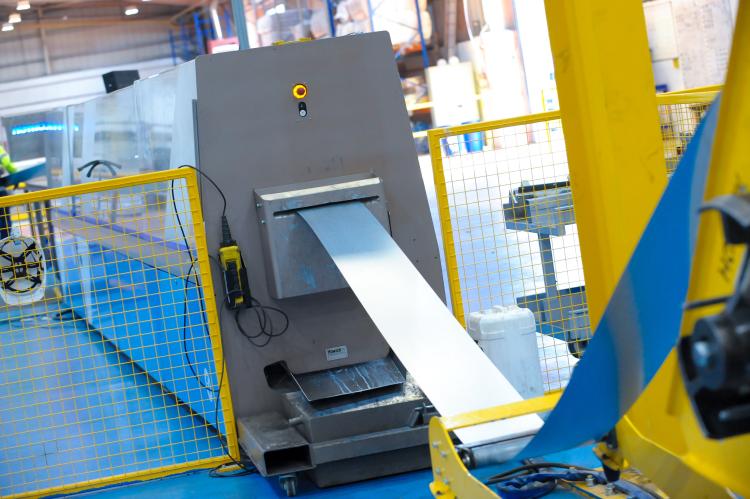
operates in a mechanised, factory-controlled environment where components are
manufactured under strictly quality controlled conditions and to exacting
tolerances to meet complex design parameters. Controlled production reduces
reliance on unpredictable onsite processes, minimises material waste and
shortens build programmes. The outcome is not only faster delivery, but also
consistent, high-quality results for every project – from single storey to
high-rise.
Built-in
safety with engineered quality
The sector’s digital
maturity gives it a unique advantage. By integrating digital design with
precision engineering and automated manufacturing, light steel frame enables a
seamless transition from concept to completion. This allows for greater
flexibility in design while maintaining tight control over structural
performance and compliance with Building Regulations. Every panel, every module
and every connection are planned and digitally verified before reaching the manufacturing
phase – ensuring that accuracy, quality and safety are built in from the
outset.
The
light steel frame sector supports a wide range of residential, healthcare,
education and commercial developments. From non-combustible loadbearing systems
for schools and colleges to infill walling systems for high-rise homes. The technology can accommodate diverse
project requirements and cladding systems, without restriction on building height
applications.
Precision
manufacturing not only minimises waste but also ensures consistent,
high-quality components that enhance structural integrity and safety.
Lightweight steel elements can be reused or recycled at the end of a building’s
life, supporting a circular economy. Through precision engineered, fire
resistant construction, light steel frame buildings prioritise occupant safety,
minimise structural risks and comply with the rigorous standards of the
Building Safety Regulator, while also contributing to net zero goals.
Driving
engagement and change
In an era where demand
is high and construction challenges are complex, light steel frame construction
offers a robust and resilient solution. By harnessing digital precision,
industrial efficiency, and integrated workflows, the sector is setting new
standards for speed, quality, and adaptability. The future of construction is
industrialised, digital, and precise – and light steel frame construction is
leading the way.
The
LSFA’s mission is to champion change and is committed to supporting developers,
designers and contractors in understanding the full potential of light steel
technology. We are here to ensure that safety, quality, and sustainability are
not competing priorities but shared outcomes.
Stay in touch:






